Save the Date
April 15th, 2026 - April 16th, 2026
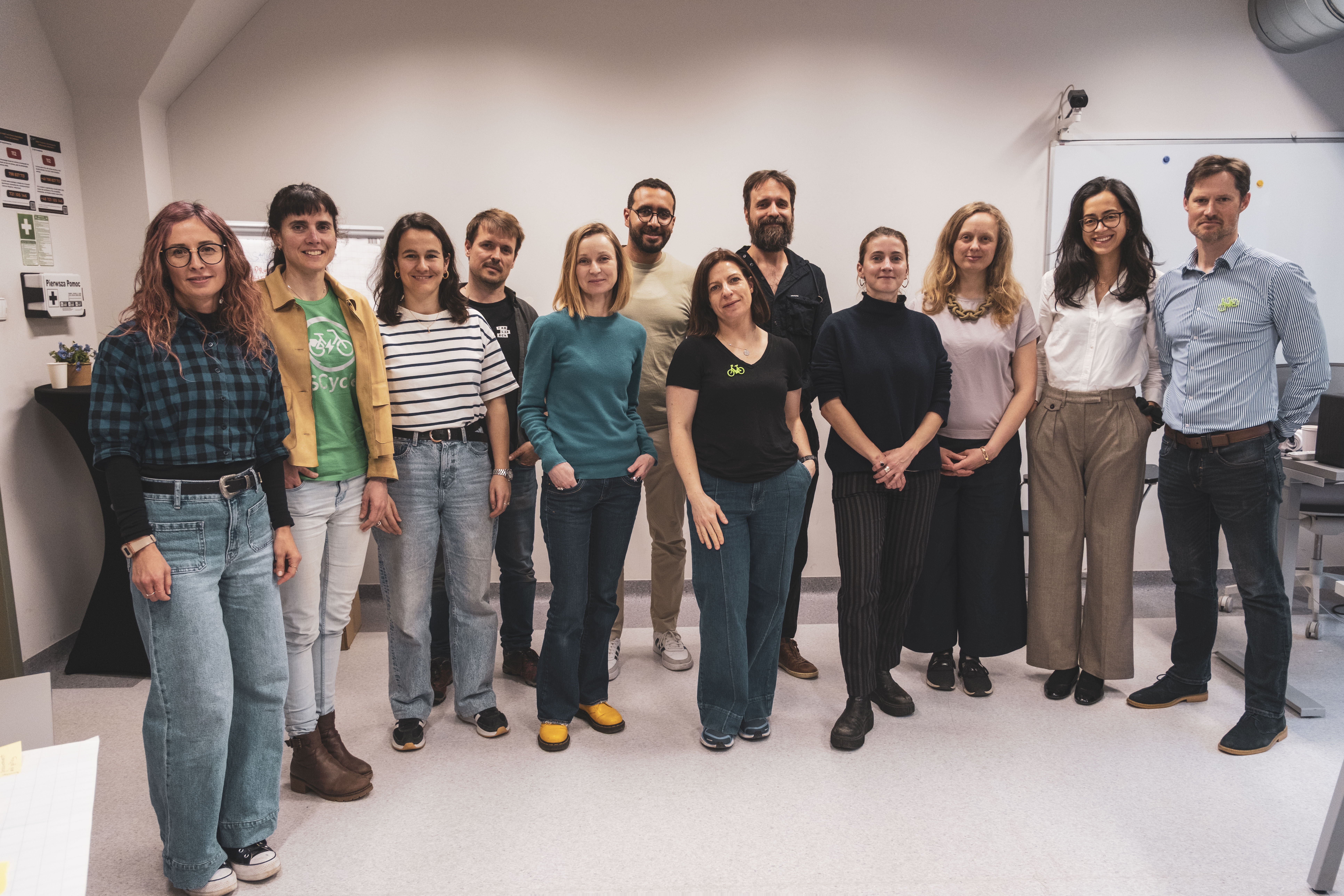
The JustMOBI Faculty Workshop, held in Warsaw on 15–16 April 2026, is a central activity within Work Package 2 (WP2) – Digital Transformation for Innovative and Inclusive Education.
The JustMOBI Faculty Workshop, held in Warsaw on 15–16 April 2026, is a central activity within Work Package 2 (WP2) – Digital Transformation for Innovative and Inclusive Education. The workshop brought together educators, researchers, and industry experts from across Europe to co-develop innovative, digitally enhanced, and inclusive teaching content and methodologies focused on mobility.
WP2 supports the broader ambition of the JustMOBI project to strengthen higher education institutions in addressing contemporary challenges related to urban mobility, digital transformation, and gender inclusion. It does so by fostering collaborative learning environments where educators and practitioners jointly rethink curricula and teaching practices.
WP2: digital transformation for innovative and inclusive education
The Faculty Workshop directly contributes to the key objectives of WP2:
- Understanding the current needs of higher education institutions, based on surveys and analysis of digitalisation and inclusion levels in curricula.
- Enhancing educators’ skills and competencies, with a focus on inclusive mobility, micromobility, data analytics, and digital tools.
- Developing curriculum evaluation methodologies, to assess inclusivity, innovation, and digital integration in teaching practices.
- Co-designing innovative educational content and approaches, enhancing digital literacy and integrating gender perspectives in mobility.
These objectives directly inform the development of WP3 and contribute to guidelines that will be shared beyond the consortium to support wider institutional transformation.
A space for interdisciplinary exchange and experimentation
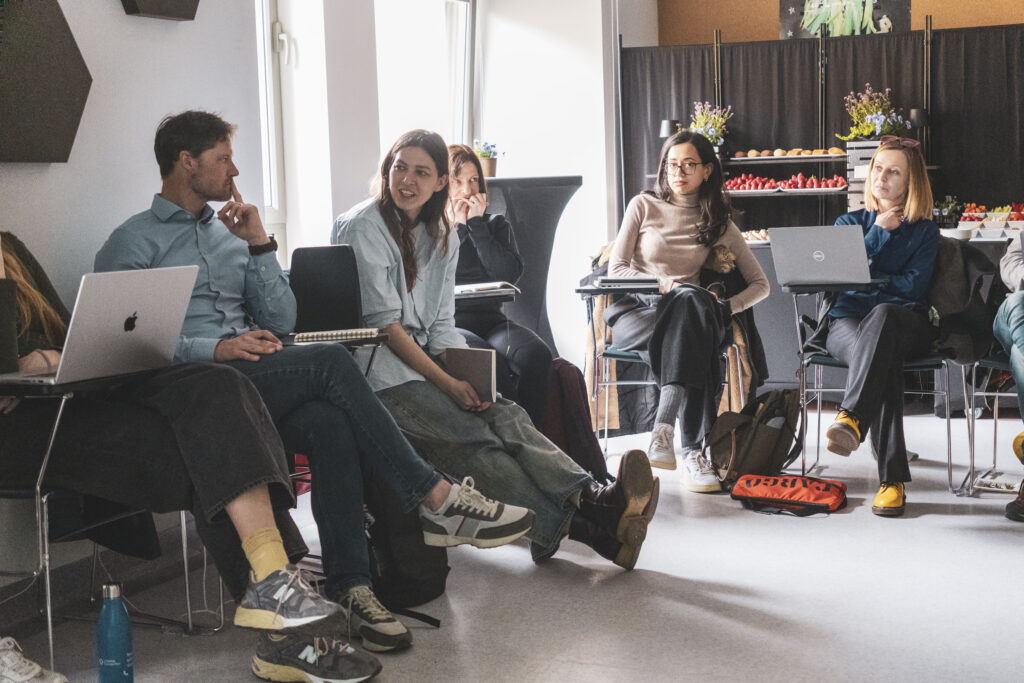
The Warsaw workshop was designed as a highly interactive learning environment combining presentations, discussions, hands-on activities, and collaborative curriculum development sessions. It enabled participants to explore mobility through multiple lenses, from urban planning to digital technologies, social inclusion, and education.
Day 1: understanding inequalities and exploring digital tools
The first day opened with a welcome session and project introduction, framing inclusive and digital mobility as key challenges for contemporary education.
Key topics included:
- Collective shaping of micromobility through community engagement.
- Mobility inequalities, highlighting issues of safety, exclusion, and unequal access to decision-making processes.
- Behaviour change strategies and their relevance for inclusive micromobility education.
- Data management, indicators, and KPIs in mobility planning.
- Practical applications of GPS sensors for analysing real-world mobility patterns.
- The use of AI for mobility data analysis in design and planning education.
- Spatial and data-driven visualisation tools such as TouchDesigner.
The day concluded with a plenary reflection session on key insights and implications for curriculum development.
Day 2: participatory methods and curriculum co-creation
The second day focused on experiential learning and collaborative curriculum design.
Highlights included:
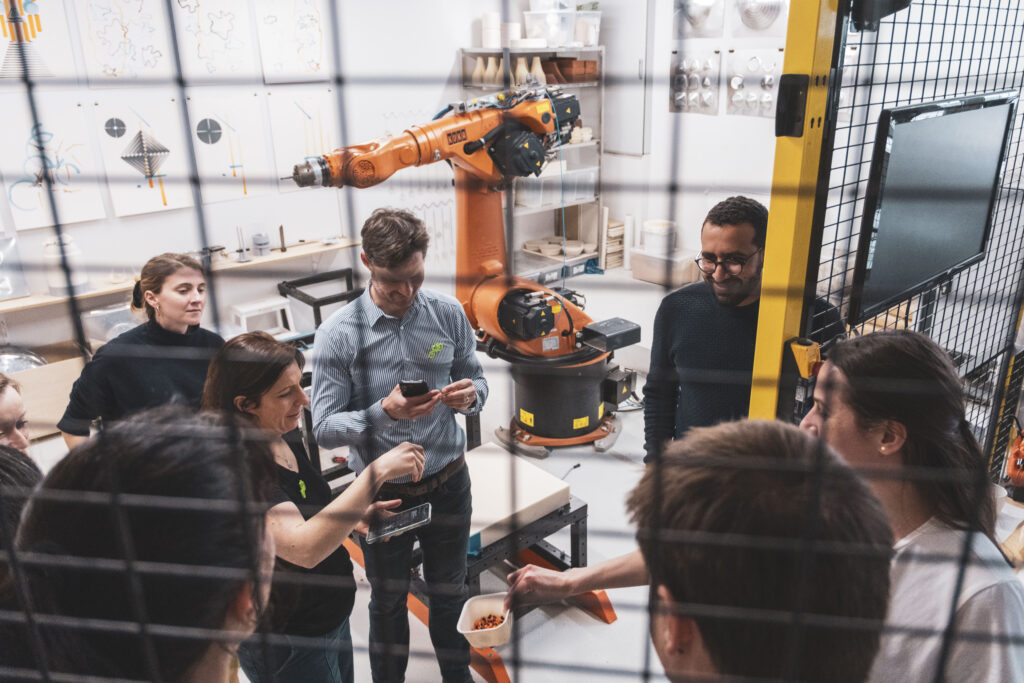
- A hands-on workshop on environmental data collection using maker-based methodologies, promoting open design and community participation.
- Participatory and inclusive teaching approaches, including role-play and experiential learning methods.
- Introduction to the Sustainable Urban Mobility Plan (SUMP) framework and its integration into academic teaching.
A key component of the programme was the co-creation of a new curriculum, following the thematic sessions and lectures.
Co-creation Workshops: designing education for just mobility
In these workshops, participants worked collaboratively on:
- Designing education: defining content, learning outcomes (competences), and project outcomes as contributions to just mobility.
- Structuring curricula around shared values and principles:
- Inclusivity
- Green / sustainable approaches
- Digital literacy and data competence
- Real-world case studies
The session concluded with the presentation of co-created results and collective discussion, allowing participants to reflect on how these curricular elements could be implemented in their respective institutions.
Outcomes and contribution to WP2 results
The Faculty Workshop in Warsaw directly supports the main WP2 deliverables:
- Refined curriculum for innovative and inclusive education, integrating mobility, data literacy, sustainability, and gender perspectives.
- International community of practice, connecting educators and experts across Poland, Ireland, and Spain.
Beyond tangible outputs, the workshop also strengthens long-term collaboration between participants, fostering ongoing exchange of methodologies, tools, and pedagogical approaches.
Building a transnational community of practice
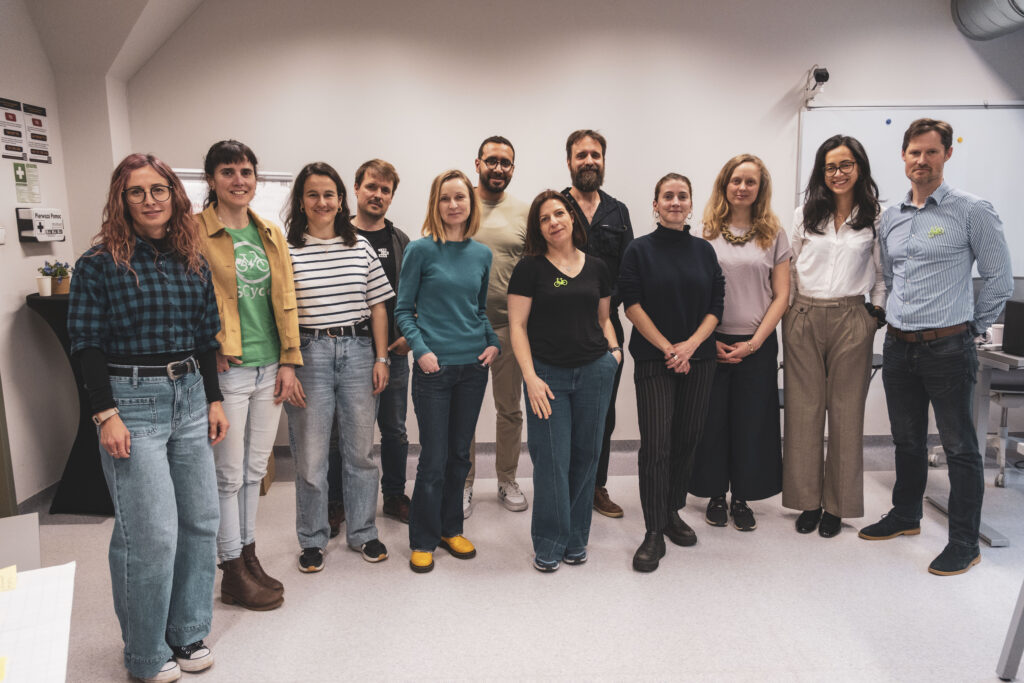
The workshop brought together participants from institutions such as SWPS University, IAAC – Fab Lab Barcelona, University of Limerick, Architektoniczki, Rupprecht Consult, alongside external academic and industry experts in mobility and data systems. This interdisciplinary and international mix reinforces the project’s commitment to building a sustainable community of practice focused on inclusive and digitally enhanced mobility education.
Conclusion
The Faculty Workshop in Warsaw marks a significant step in advancing JustMOBI’s vision of a more inclusive, digital, and practice-oriented approach to mobility education. By combining academic expertise, industry knowledge, and participatory co-design methodologies, the workshop contributes directly to reshaping higher education curricula across Europe.
It not only advances the objectives of WP2 but also lays the foundation for long-term transformation in how mobility, inclusion, sustainability, and digital tools are taught and integrated into higher education.
