Save the Date
October 15th, 2026
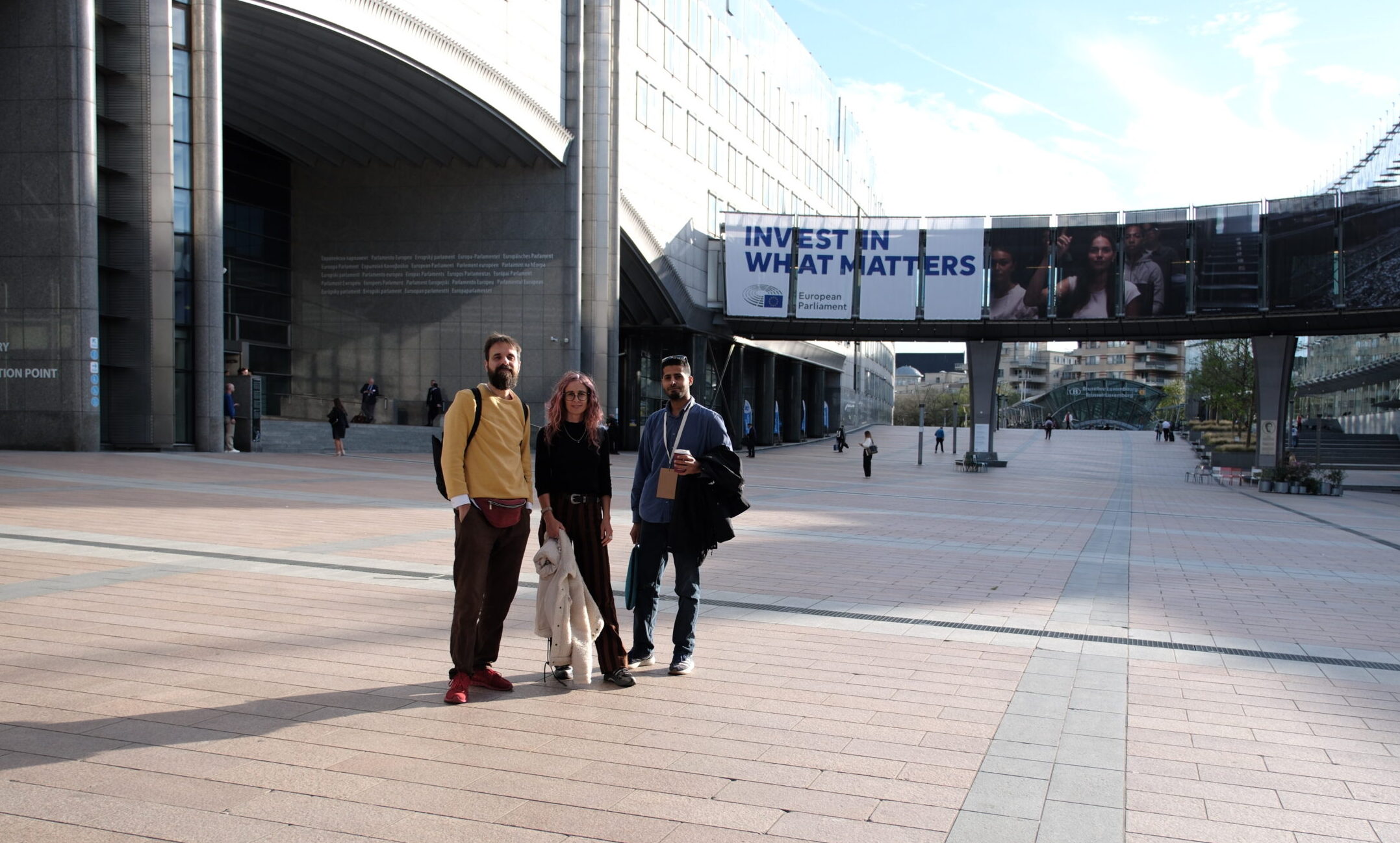
JustMOBI hosted a hands-on workshop at EURASHE in Brussels on how inclusive design and data literacy can shape fair, accessible and sustainable urban mobility.
On 15 October, as part of the Higher Education Transformation Week in Brussels, the JustMOBI project hosted a hands-on workshop at EURASHE. Titled “Whose Journey Counts? From Mobility Data to Inclusive Stories”, the session explored how inclusive design, data literacy and digital education can shape fair, accessible and sustainable urban mobility solutions. The Institute for Advanced Architecture of Catalonia (IAAC), Barcelona, and SWPS University, Poland, took part as project partners.
The event attracted more than 40 registrations from education professionals and experts representing public and private institutions across Europe.
A compact preview of the JustMOBI curriculum
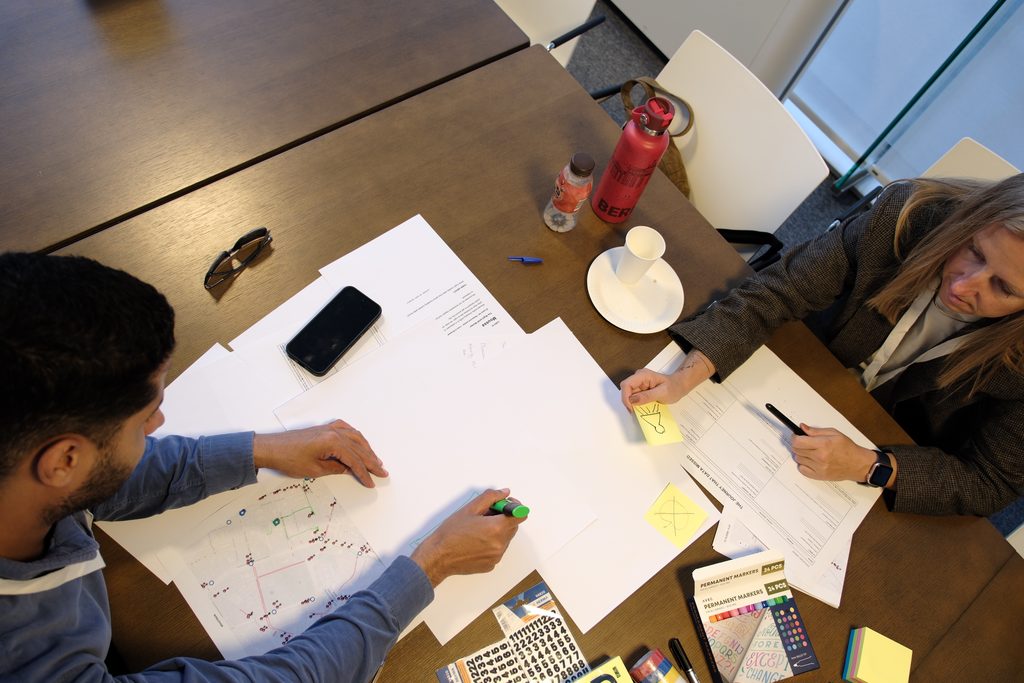
The workshop was a condensed, four-hour version of the curriculum developed by the JustMOBI partners. Over the coming year, the methodology will be further developed through local seminars, then implemented and tested with students in the three educational institutions of the consortium.
The session was led by David Sypniewski, designer and project coordinator, SWPS University, Poland, and Chiara Dall’Olio, architect and urban planner, coordinator of the dissemination work package, IAAC, Spain.
What happened on the day
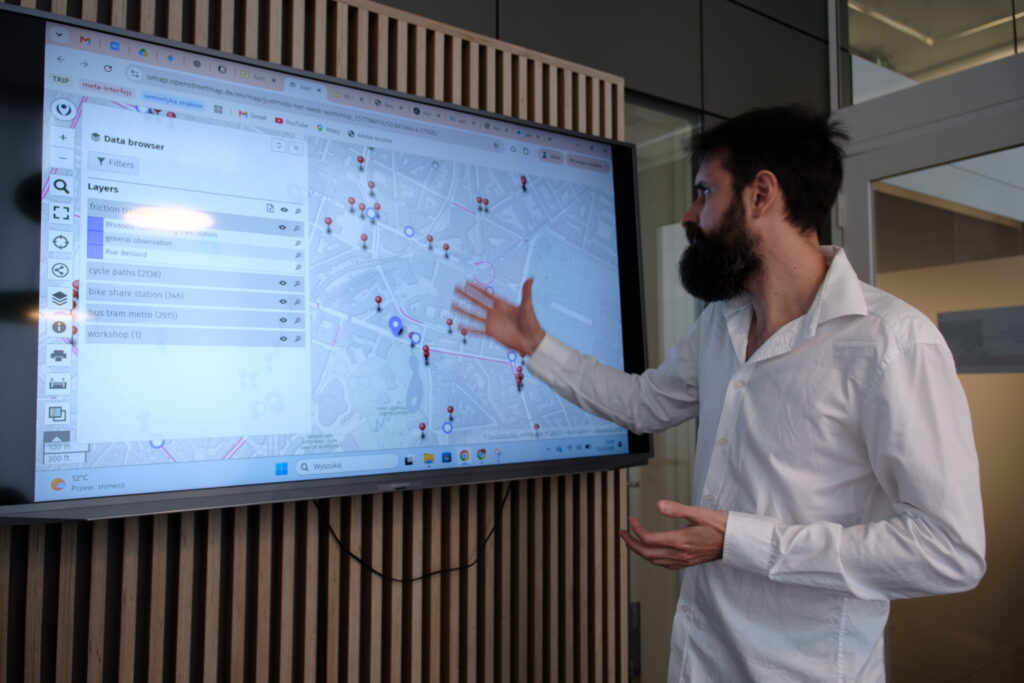
-Seeing mobility through different eyes. Participants worked in small groups, each receiving a persona and a journey scenario. The exercise made clear that mobility is experienced very differently by different social groups.
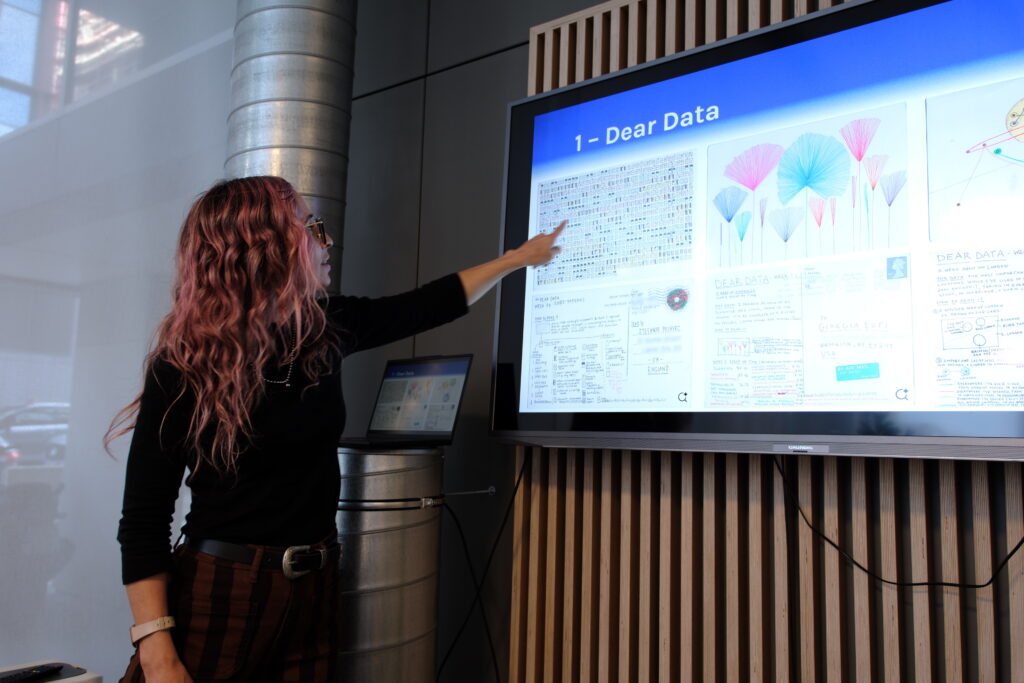
-Reading the city through data. Each group received a Data Story Pack with a quantitative dataset, a spatial dataset or map, and a methodology note. Guided by critical questions (who collected the data, what was measured, who is represented, and who may be missing), participants identified patterns, surprises and limitations, as well as questions the data simply could not answer.
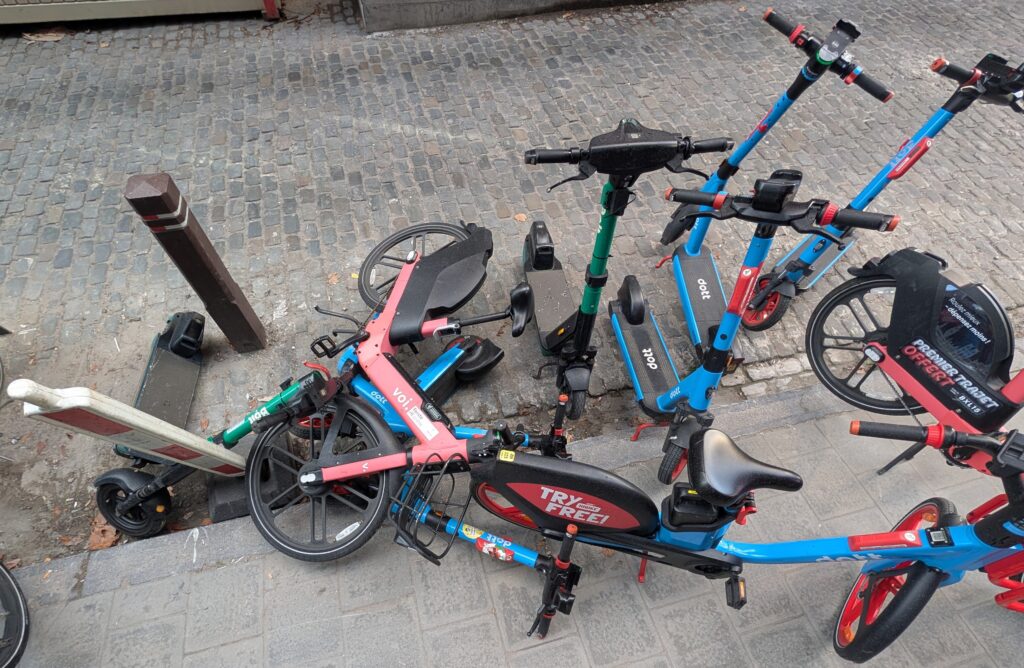
-Testing the data against the city. Groups then stepped outside to audit the area around the venue, looking at accessibility, wayfinding, safety, comfort, noise and the continuity of infrastructure. The aim was not to simulate someone else’s lived experience, but to spot environmental barriers that datasets often fail to capture.
-Data Story Lab and Gallery. Back in the room, groups combined data and field observations into short visual data stories, each with a protagonist, a central question, a key insight, a missing data point and a clear caveat. The stories were then displayed in a gallery, making overlooked mobility experiences visible and understandable.
Key takeaways:
–Mobility is not one-size-fits-all. The fastest route is not always the best one. Individual and group needs, from mobility impairments to comfort and safety concerns, shape the choices people make.
–Data needs a reality check. Working with micromobility and large datasets in the field allowed participants to contrast numbers with what actually happens on the street.
–Critical data literacy matters. Learning to spot missing, incomplete or misleading data is as important as analysing what is there.
–Hands-on learning resonates. The experiential approach and the field component generated particular interest among participants, and proved to be a transferable educational methodology.
What’s next?
JustMOBI will now take these teaching formats to students, refining the methodology across the partner institutions.
Stay tuned for more updates from the project!